
Luxury homes in the city rarely arrive with simple floor plans. Double-height living areas, irregular villa footprints, and demanding view corridors push even experienced interior designers in Dubai to rethink how space is organized, lit, and lived in. The most respected creative teams do not rely on instinct alone. They combine rigorous measurement, disciplined planning, and a clear understanding of how each client moves through a home. This article explores the methods top-rated studios use to turn awkward, ambitious, or underused spaces into refined interiors that feel balanced, personal, and effortless to inhabit.
Reading the Space Before Designing It
Every successful luxury project begins with careful observation. Creative teams walk the property, measure each wall, and study structural columns, ceiling voids, and service routes before a single sketch appears. They also listen closely to how the household lives, entertains, and stores belongings across the week. This research reveals constraints early, from awkward corners to limited ceiling heights, and shows where hidden potential sits. By understanding the architecture and the people inside it together, designers avoid costly redesigns later and create a concept that responds to real conditions rather than imagined ones.
Zoning Large Open-Plan Layouts
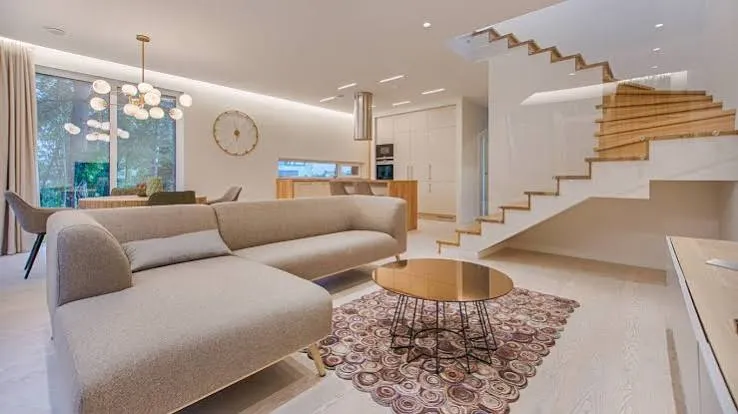
Large open-plan interiors can feel impressive yet strangely impersonal if they lack structure. Skilled designers solve this by defining zones without building heavy walls. Rugs, lighting clusters, furniture groupings, and changes in ceiling treatment quietly separate lounging, dining, and working areas while keeping sightlines open. Circulation paths are planned first so movement feels natural, not forced. Slim partitions, sculptural screens, or glass dividers add privacy when needed. The result is a generous layout that still feels intimate, where each corner has a purpose and guests understand instinctively how to move through the home.
Balancing Light, Scale, and Proportion
Proportion separates a polished luxury interior from an overfilled one. Experienced interior design companies in Dubai study how natural light travels through a room across the day, then choose furniture scale, finishes, and lighting layers to match. Oversized sofas can overwhelm a compact lounge, while tiny accents disappear beneath a high ceiling. Designers test these relationships through three-dimensional visuals before approval. Layered ambient, task, and accent lighting then shapes mood and highlights texture. This careful balancing act ensures every room feels comfortable in daylight, elegant at dusk, and visually calm at all times.
Integrating Custom Joinery and Concealed Storage
Clutter undermines luxury quickly, so leading teams treat storage as architecture rather than an afterthought. Bespoke joinery is drawn to fit alcoves, sloping ceilings, and unusual wall depths exactly, turning awkward dimensions into useful features. Wardrobes, media units, and pantry fittings disappear behind flush panels, push-to-open doors, and matching veneers. Internal organization is customized around each owner’s wardrobe, collections, and equipment. Because the pieces are planned alongside electrical and ventilation requirements, they work smoothly in daily life. The outcome is a clean visual rhythm where function stays hidden, and beauty remains in view.
Coordinating Materials Across Every Room
Cohesion across rooms is a defining mark of top creative studios. Rather than selecting finishes room by room, they build a considered palette of stone, timber, metal, textiles, and paint, then repeat key elements with intention. Variation in texture and sheen keeps the scheme interesting without breaking the story. Samples are reviewed under actual project lighting, since marble, brass, and fabric can shift dramatically in different conditions. Durability is weighed alongside appearance, especially for high-traffic areas and sun-exposed surfaces. This disciplined approach delivers interiors that feel unified, tactile, and built to age gracefully.
Managing Delivery With Precision and Transparency
Even the most beautiful concept can falter without strong project management. Reliable studios issue detailed drawings, itemized schedules, and clear budgets before work begins, so clients know what to expect. During execution, they coordinate contractors, suppliers, and craftspeople through regular site visits and progress updates. Quality checks happen at each stage, catching small flaws before they become expensive corrections. Communication stays open, with decisions documented and variations explained honestly. This transparent process protects timelines and investment, reduces stress for homeowners, and ensures the finished interior matches the approved vision down to the smallest detail.
Conclusion
Complex luxury spaces reward patience, technical skill, and thoughtful collaboration. Top-rated creative teams succeed by studying each property closely, shaping zones with purpose, balancing light and proportion, concealing storage elegantly, unifying materials, and managing delivery with care. Homeowners who value this level of rigor will find the difference in every finished detail. For those ready to explore tailored solutions for villas, apartments, and penthouses, panameraliving.com offers a useful starting point to review services and begin a conversation about turning ambitious spatial challenges into beautiful, livable interiors.