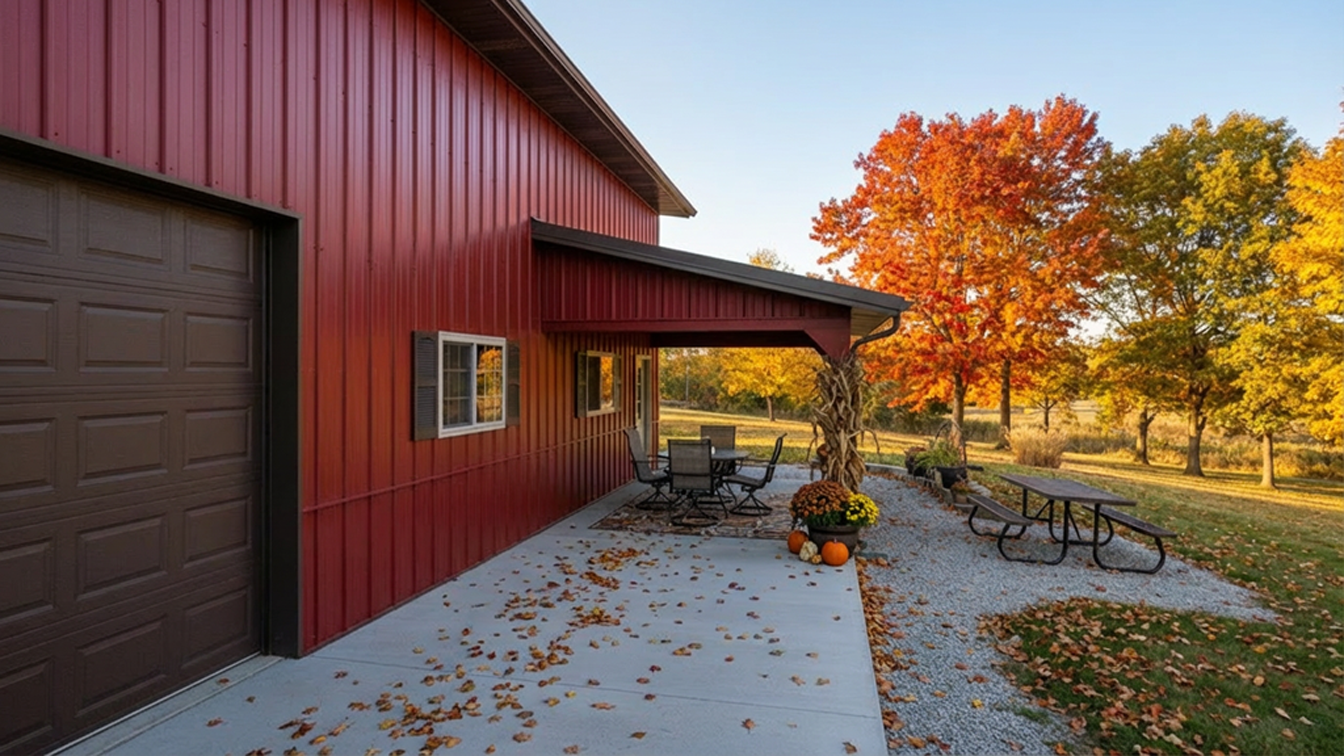
The Evolution of Agricultural Infrastructure
Over the past few decades, the agricultural industry has witnessed significant advancements, particularly in infrastructure. These innovations have not only enhanced productivity but also increased the sustainability and efficiency of agricultural operations. As technology continues to evolve, the potential for growth and improvement in agricultural infrastructure is limitless.
Traditionally, agricultural buildings were constructed from wood or brick, materials that often succumb to the harsh Canadian weather. However, with the advent of steel structures, there has been a paradigm shift. Modern agricultural building solutions now incorporate cutting-edge technology to provide farmers with robust, efficient, and cost-effective options for their infrastructure needs.
Benefits of Using Steel in Agricultural Buildings
Steel has emerged as a superior material for constructing agricultural buildings for myriad reasons. Its durability and strength ensure that buildings can withstand extreme weather conditions, a crucial factor in Canada’s variable climate. Furthermore, steel is resistant to pests such as termites, which would otherwise cause costly damage to wooden structures.
Beyond its durability, steel construction is also known for its sustainability. Steel is highly recyclable, meaning it can be reused multiple times without losing its structural integrity. This recyclability makes it an excellent choice for environmentally-conscious farmers looking to minimize their carbon footprint.
Moreover, steel structures are highly versatile. They can be customized to accommodate various needs, whether it’s for storing equipment, housing livestock, or providing a sheltered workspace. The precision engineering involved in steel building design ensures that each structure is tailored to meet the specific requirements of the farm.
Innovative Trends in Agricultural Buildings
Prefab Steel Buildings
One of the most significant innovations in agricultural infrastructure is the advent of prefabricated steel buildings. These structures are designed and manufactured off-site before being transported and assembled on the farm. The primary advantage of using prefab steel is the reduction in construction time. Farmers can have a new facility up and running in a matter of weeks rather than months.
Another advantage of prefabricated buildings is the cost efficiency. By streamlining the construction process and minimizing labor requirements, prefab buildings often cost significantly less than traditional constructions. For farmers seeking to optimize their investments, prefabricated Canada steel building assembly services offer a fiscally prudent solution.
Smart Building Technologies
The integration of smart technologies into agricultural buildings is another trend shaping the future of farm infrastructure. Buildings equipped with sensors and automated systems can monitor conditions such as temperature, humidity, and lighting. This data allows farmers to create optimal environments for their crops or livestock, thereby enhancing productivity and efficiency.
Moreover, smart systems can help in predictive maintenance of the infrastructure by alerting farmers to issues before they become significant problems. This capability can extend the life of buildings and reduce unexpected costs, providing peace of mind and assurance that the agricultural operations are running smoothly.
Renewable Energy Integration
As sustainability becomes more critical in agriculture, the integration of renewable energy sources into buildings is gaining momentum. Solar panels fitted on the roofs of barns and storage buildings can generate electricity for farm operations. This innovation reduces reliance on grid power and helps farmers manage their energy expenditures more effectively.
The Role of Canadian Steel Building Experts
In Canada, where farmers must often contend with severe weather conditions, the expertise of professional steel building providers plays a vital role in ensuring success. Providers of Canada steel building assembly services offer not only the materials but also the design expertise and assembly capabilities necessary to construct buildings that meet the unique challenges faced by Canadian agriculture.
These experts understand the complexities involved in designing buildings that withstand harsh climates while remaining functional and efficient. Their knowledge encompasses everything from structural engineering principles to the latest technologies, offering farmers comprehensive solutions that enhance their ability to manage and grow their operations.
Future Prospects for Agricultural Infrastructure
Looking forward, the future of agricultural infrastructure is bright. With continuous improvements in technology and materials, agricultural buildings will become even more efficient, sustainable, and cost-effective. Innovations such as vertical farming structures and robotic farming systems are already on the horizon, promising to revolutionize how farmers cultivate food, manage livestock, and utilize space.
As the demand for food increases globally, the importance of robust and innovative agricultural infrastructure becomes ever more crucial. By leveraging advancements in steel construction and smart technologies, Canadian farmers are well-positioned to meet future challenges and opportunities.
Conclusion
In conclusion, innovations in agricultural infrastructure are transforming the landscape of farming in Canada. From durable, sustainable steel buildings to the integration of smart technologies and renewable energy sources, the direction is clear: the future of agriculture is bright, sustainable, and efficient. By partnering with experts who specialize in Canada steel building assembly services, farmers can ensure they are equipped with the knowledge and resources needed to thrive.